
 Image 1 of 2
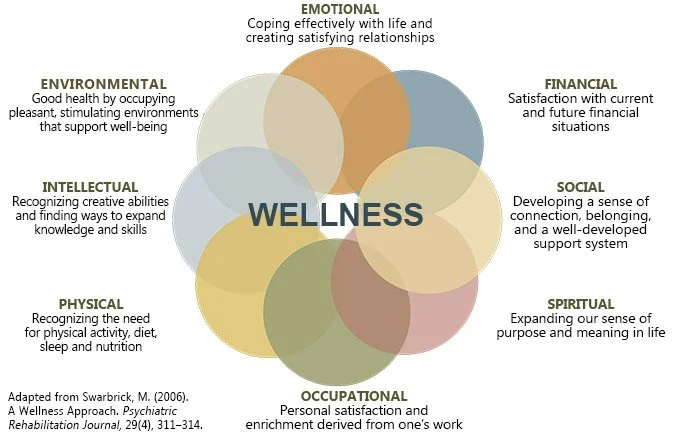 Image 2 of 2
Traditional healthcare accounts for only a portion of overall health outcomes. Researchers estimate that social, economic, and environmental factors have a much greater influence on health than medical treatment alone.
A wellness ecosystem addresses:
Chronic disease.
Mental health.
Food insecurity.
Social isolation.
Environmental injustice.
Economic instability.
Climate change impacts.
Therefore, a wellness ecosystem seeks not only to improve individual health, but also to transform the systems that influence health. Instead of waiting for illness to occur, it focuses on creating conditions that help people thrive.
A strong wellness ecosystem can contribute to:
Lower rates of diabetes and heart disease.
Improved maternal and infant health.
Better mental health.
Reduced social isolation.
Greater economic opportunity.
Increased life expectancy.
Stronger social cohesion.
Enhanced environmental sustainability.
This systems-based approach aligns closely with movements in public health, environmental justice, regenerative development, and community-centered wellness, and it appears particularly relevant to your interest in building a holistic, inclusive wellness-centered community. Let’s start now!
Traditional healthcare accounts for only a portion of overall health outcomes. Researchers estimate that social, economic, and environmental factors have a much greater influence on health than medical treatment alone.
A wellness ecosystem addresses:
Chronic disease.
Mental health.
Food insecurity.
Social isolation.
Environmental injustice.
Economic instability.
Climate change impacts.
Therefore, a wellness ecosystem seeks not only to improve individual health, but also to transform the systems that influence health. Instead of waiting for illness to occur, it focuses on creating conditions that help people thrive.
A strong wellness ecosystem can contribute to:
Lower rates of diabetes and heart disease.
Improved maternal and infant health.
Better mental health.
Reduced social isolation.
Greater economic opportunity.
Increased life expectancy.
Stronger social cohesion.
Enhanced environmental sustainability.
This systems-based approach aligns closely with movements in public health, environmental justice, regenerative development, and community-centered wellness, and it appears particularly relevant to your interest in building a holistic, inclusive wellness-centered community. Let’s start now!